
Scientific Preservation Technology and Management Essentials of Fruit Cold Storage 2
Fruits of different varieties vary greatly in physiological properties, which requires separate storage in different temperature zones. Lower temperature does not always mean better preservation. Temperate fruits prefer low-temperature storage: apples and pears are kept at 0–2℃ with relative humidity of 85%–90%, achieving a storage period of 3 to 6 months. Subtropical and tropical fruits are sensitive to low temperature: citrus fruits and tomatoes require 7–13℃, while bananas and papayas need 11–16℃. Improper low temperature will cause chilling injury, blackened peels and deteriorated pulp. Meanwhile, temperature fluctuations shall be controlled within ±0.5℃ to avoid physiological stress and guarantee consistent fruit quality.
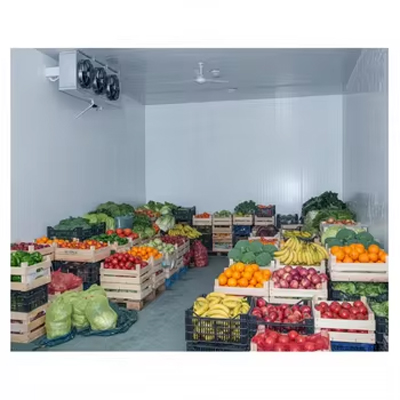
Standardized daily management is critical to stable preservation performance. Before warehousing, damaged, rotten and pest-infested fruits must be sorted out to prevent cross-contamination, and the cold storage shall be thoroughly cleaned and disinfected to eliminate residues and molds. During storage, fruits shall be placed separately by category. Ethylene-heavy fruits shall be isolated from ethylene-sensitive varieties to avoid mutual accelerated ripening. Regular ventilation together with ethylene absorption devices is necessary to eliminate ripening gases. Operators need to inspect equipment regularly to maintain steady temperature, humidity and gas parameters. The first-in first-out principle shall be followed during delivery to reduce losses from long-term stockpiling.
With the rapid development of agricultural cold chains, standardized fruit cold storages solve major industrial difficulties including oversupply during concentrated harvest, high loss in long-distance transportation and short shelf life. Scientific storage management maximally retains freshness and nutritional value of fruits and cuts post-harvest loss rates. It also helps sellers conduct off-season sales, stabilize market prices and raise economic benefits, becoming an indispensable infrastructure for large-scale and standardized development of the modern fruit industry.