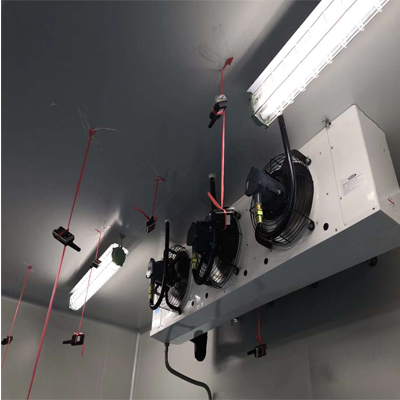

Scientific Preservation Technology and Management Essentials of Fruit Cold Storage 1
Fresh fruits are living agricultural products that continue respiratory metabolism and release ethylene after harvesting, making them prone to water loss, wilting, rot and premature ripening, which leads to massive losses. As core facilities in the fresh cold chain system, dedicated fruit cold storages effectively extend shelf life and retain original color and flavor of fruits through precise environmental control, curbing physiological activities of fruits and reproduction of microbes. They serve as essential supporting facilities for origin warehousing, transit circulation and off-season sales of fruits.
The preservation effect of fruit cold storage mainly relies on refined regulation of three key indicators: temperature, humidity and gas composition. Low temperature greatly reduces respiratory intensity of fruits, slows consumption of sugar and moisture, and inhibits the growth of mold, bacteria and other harmful microorganisms to minimize decay losses. Stable humidity prevents shriveled peels and dry flesh caused by excessive water loss, as well as mildew and dark spots triggered by over-humid conditions. Controlled atmosphere (CA) technology adjusts air ratios inside the warehouse to dilute ripening gases such as ethylene and carbon dioxide, delaying fruit aging and achieving long-term fresh-keeping storage.
Based on functional configurations and application demands, fruit cold storages fall into two main categories: conventional fresh-keeping cold storages and controlled atmosphere cold storages. Conventional ones feature low operation costs and wide applicability for short-term turnover storage. With stable temperature and humidity control, they are widely adopted by fruit wholesale markets and medium-to-small storage enterprises. As high-end preservation facilities, controlled atmosphere cold storages adjust concentrations of oxygen and carbon dioxide artificially, prolonging fruit shelf life by over 50%. They are ideal for long-term stockpiling and off-season sales of storable varieties including apples, pears and kiwis. Besides, quick-freezing cold storages lock nutrients and flavors by rapid freezing, commonly used for long-term preservation of berries for deep processing.